




When most people hear the term blockchain, they immediately think of Bitcoin or other cryptocurrencies. However, blockchain technology goes far beyond digital currency. It’s a revolutionary innovation that’s transforming industries — especially supply chain management. In a world where transparency, traceability, and trust are essential, blockchain is emerging as a game-changer.
What is Blockchain, in Simple Terms?
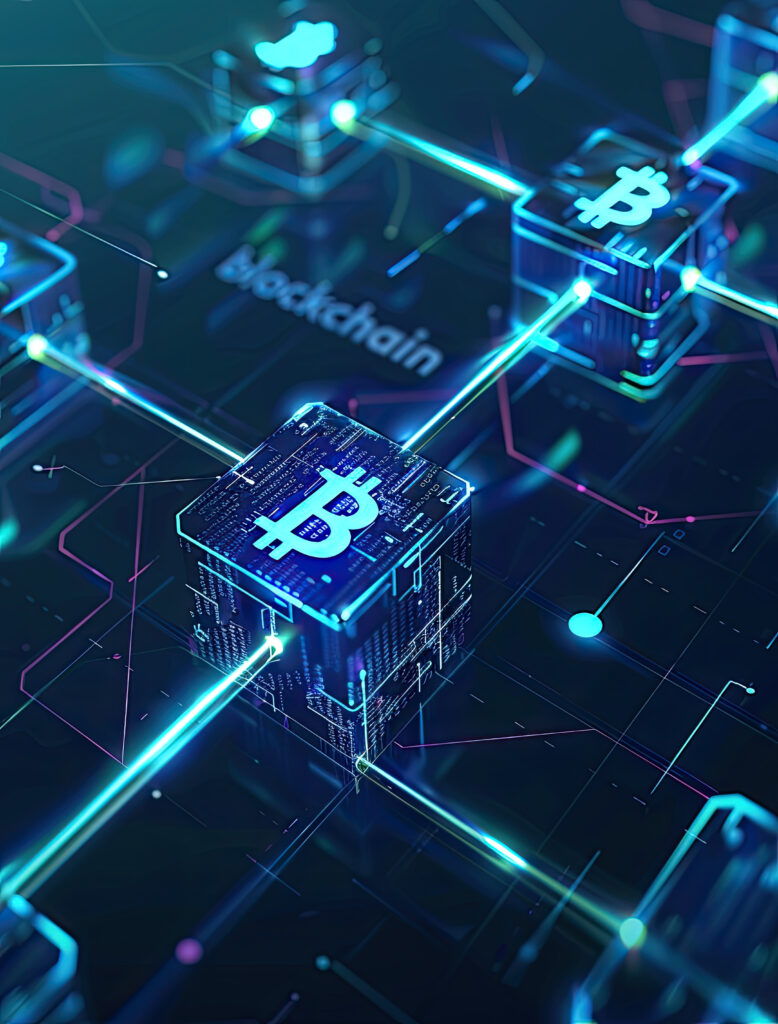
At its core, blockchain is a distributed digital ledger that records transactions securely and transparently across multiple computers. Unlike traditional databases, blockchain data can’t be easily altered or deleted, which makes it extremely reliable. Every transaction is verified, timestamped, and stored in a block, forming an unbreakable chain of data — hence the name “blockchain.”
In supply chains, this means every step — from raw material sourcing to final delivery — can be tracked in real time with complete accuracy.

1. Transparency and Traceability
One of the biggest challenges in supply chain management is lack of visibility. Companies often struggle to track the origin and movement of products, leading to fraud, counterfeiting, and inefficiency. Blockchain solves this by providing end-to-end transparency.
Every participant in the supply chain — suppliers, manufacturers, transporters, retailers — can record and verify transactions on the blockchain. For example, a food company can trace a product’s journey from farm to supermarket shelf within seconds, ensuring safety and authenticity.
2. Preventing Fraud and Counterfeiting
Counterfeit goods cost global industries billions each year. Blockchain helps prevent this by making it nearly impossible to alter or fake records. Each product can be assigned a unique digital identity recorded on the blockchain, proving its authenticity.
In industries like pharmaceuticals, where counterfeit drugs pose serious health risks, blockchain enables consumers and regulators to verify the source and legitimacy of every product instantly.
3. Improving Efficiency and Reducing Costs
Traditional supply chains involve multiple intermediaries and manual record-keeping, which slow down operations and increase costs. With blockchain, transactions are automated using smart contracts — digital agreements that execute automatically when conditions are met.
This reduces paperwork, eliminates middlemen, and speeds up processes like payments, customs clearance, and inventory management. The result is a more efficient, transparent, and cost-effective supply chain.
4. Ensuring Sustainability and Ethical Sourcing
Modern consumers care about where their products come from — whether their clothes are ethically made, or their coffee is sourced from fair-trade farms. Blockchain enables ethical and sustainable sourcing by verifying each step in the production chain.
For example, companies can use blockchain to confirm that materials come from environmentally responsible suppliers or that workers are paid fairly. This not only builds brand trust but also supports corporate social responsibility goals.
5. Real-Time Tracking and Monitoring
By combining blockchain with Internet of Things (IoT) devices like sensors and GPS trackers, businesses can achieve real-time visibility into shipments. This allows companies to monitor conditions such as temperature, humidity, or location, ensuring products — especially perishables or sensitive goods — are transported safely.
If a shipment is delayed or damaged, blockchain records the event instantly, helping companies take quick corrective action and improve logistics efficiency.
6. Faster and More Secure Payments
Blockchain-based payment systems enable instant cross-border transactions with minimal fees and maximum security. This is especially useful for global supply chains involving multiple currencies and banking systems.
Smart contracts can automatically release payments once goods are delivered and verified, reducing disputes and delays between suppliers and buyers.
7. Real-World Examples of Blockchain in Supply Chains
- Walmart uses blockchain to track the origin of food products, improving food safety.
- IBM and Maersk partnered to create TradeLens, a blockchain-based platform for global shipping logistics.
- De Beers uses blockchain to trace diamonds from mines to retail, ensuring they are conflict-free.
These examples show how blockchain is already reshaping supply chains by making them more transparent, efficient, and trustworthy.
Challenges to Adoption
Despite its potential, blockchain adoption faces challenges like high implementation costs, lack of standardization, and resistance to change. Integration with legacy systems and regulatory uncertainties also pose barriers. However, as technology matures and awareness grows, more businesses are embracing blockchain as a long-term solution.
Conclusion
Blockchain’s true potential extends far beyond cryptocurrency. In supply chain management, it offers a powerful solution to some of the industry’s biggest challenges — from transparency and fraud prevention to efficiency and sustainability.
As companies continue to explore blockchain technology, we’re moving toward a future where every product can be tracked, verified, and trusted from origin to destination. In this new era of digital trust, blockchain isn’t just transforming supply chains — it’s redefining how global business operates.