


The Future of AI in Healthcare: Transforming Patient Care

Artificial Intelligence (AI) is no longer a futuristic concept — it’s already changing how we live, work, and even heal. In the healthcare sector, AI is emerging as one of the most powerful tools for improving patient outcomes, reducing costs, and making healthcare more accessible. The future of AI in healthcare looks incredibly promising, offering solutions that can revolutionize medicine as we know it.
Early Disease Detection and Diagnosis
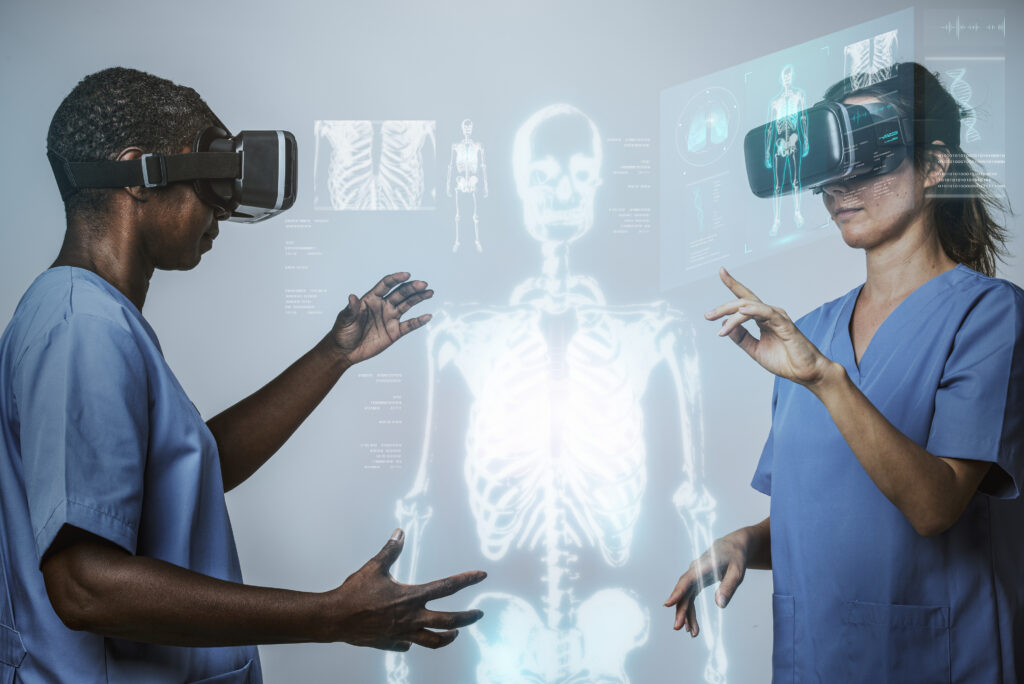
One of the most impactful uses of AI in healthcare is early disease detection. AI algorithms can analyze medical images, lab reports, and genetic data to identify patterns invisible to the human eye. For example, AI systems are already being used to detect cancer, heart diseases, and diabetic retinopathy with remarkable accuracy. In the future, predictive AI models could identify health risks years before symptoms appear, allowing for early interventions and saving countless lives.
Personalized and Precision Medicine
Every individual is unique — and so are their health needs. AI enables a shift from one-size-fits-all treatments to personalized medicine. By combining data from genetics, lifestyle, and medical history, AI can help doctors design customized treatment plans for each patient. This approach will not only improves effectiveness but will also minimizes side effects, leading to better long-term health outcomes.
Faster Drug Discovery and Development
Developing a new drug traditionally takes over a decade and costs billions of dollars. AI is changing that. Advanced algorithms can predict how molecules will behave, identify potential drug targets, and even simulate clinical trials. This drastically reduces both time and cost, accelerating the arrival of new and effective medicines. In the near future, AI might even design new drugs autonomously — a groundbreaking step toward curing complex diseases.
Smart Hospitals and Efficient Workflows
Hospitals of the future will be “smart hospitals,” where AI manages administrative tasks, monitors patient vitals in real-time, and assists in medical decision-making. Routine tasks like scheduling, billing, and data entry will be automated, freeing healthcare professionals to focus on patient care. AI-powered robots may also assist in surgeries, ensuring precision and reducing recovery times.
Remote Care and Virtual Health Assistants
The COVID-19 pandemic accelerated the rise of telemedicine, and AI will take it even further. Virtual health assistants powered by AI can provide 24/7 support, answer medical questions, and even monitor patients remotely using wearable devices. These systems can alert doctors in case of emergencies, ensuring timely intervention — especially for patients in rural or underserved areas.
Mental Health and Emotional Well-being
AI is also playing a growing role in mental health. Emotionally intelligent chatbots can detect early signs of depression or anxiety by analyzing voice tone, word choice, or facial expressions. In the future, AI could offer personalized mental health support, helping millions manage stress and emotional challenges in real time.
Ethics, Privacy, and Human Touch
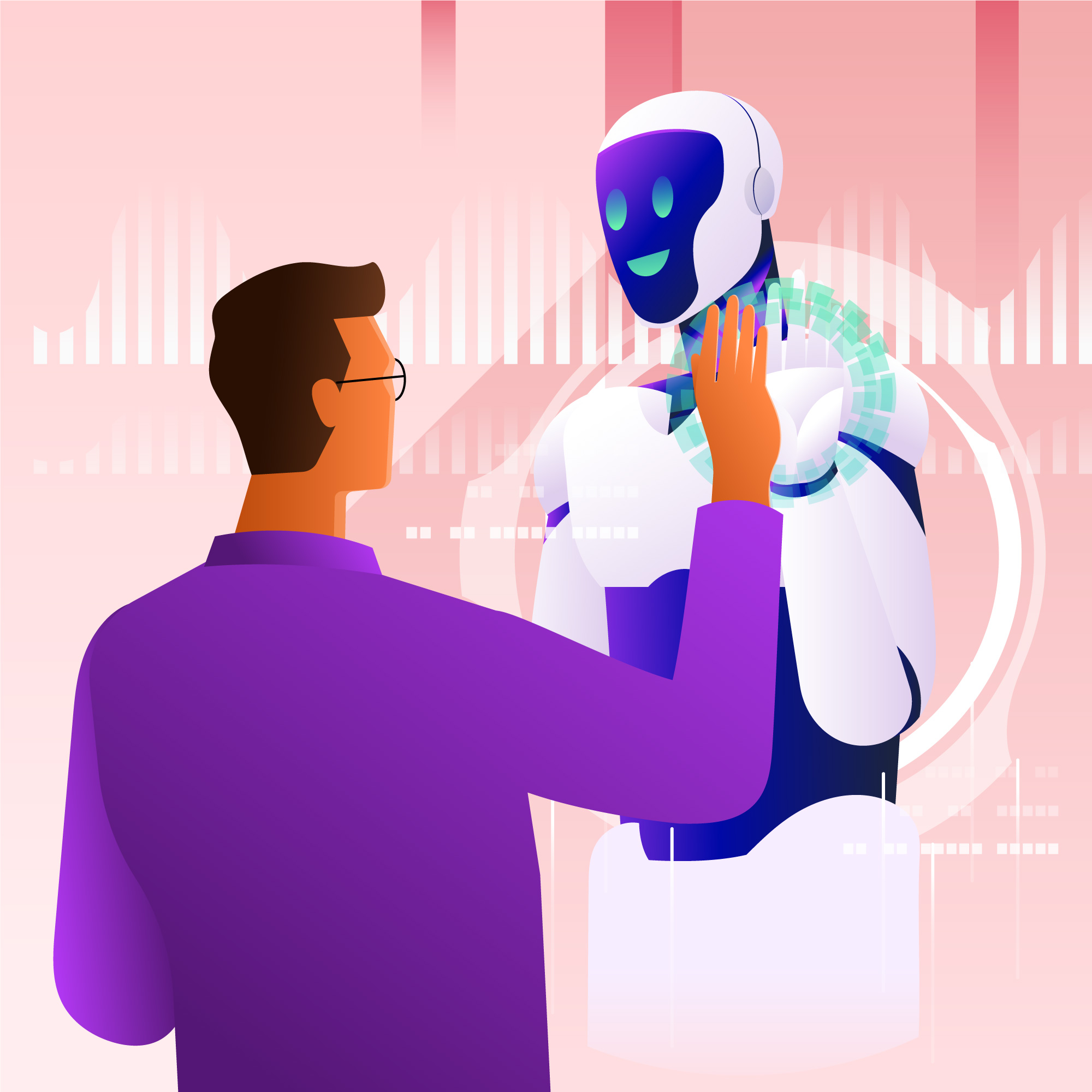
Despite its advantages, integrating AI into healthcare brings challenges. Protecting patient data, ensuring algorithm transparency, and maintaining ethical standards are critical. AI should support, not replace, doctors — the human connection in healthcare will always remain essential. The goal is a collaboration where AI handles data and precision, while humans provide empathy and understanding.
Conclusion
The future of AI in healthcare is bright, exciting, and transformative. From early diagnosis to personalized medicine and remote patient care, AI is unlocking possibilities once thought impossible. As technology continues to evolve, the partnership between humans and AI will define a new era of smart, compassionate, and efficient healthcare — one that truly puts the patient at the heart of innovation.
FAQs ( Frequently Asked Questions)
AI plays a major role in analyzing complex medical data to assist doctors in diagnosing diseases, predicting health risks, and creating personalized treatment plans. It helps make healthcare faster, more accurate, and more efficient.
AI systems can scan medical images, such as X-rays, MRIs, and CT scans, to detect signs of diseases like cancer or heart problems at a very early stage. It identifies patterns that may not be visible to the human eye, allowing for quicker diagnosis and treatment.
No. AI is designed to support doctors, not replace them. It can handle data analysis and repetitive tasks, but the human touch, empathy, and decision-making skills of doctors are irreplaceable in patient care.
AI improves diagnostic accuracy, reduces treatment time, enhances patient monitoring, and helps in drug discovery. It also automates hospital workflows, reducing administrative stress on healthcare professionals.
AI algorithms can predict how new molecules will interact with the human body, simulate trial outcomes, and identify potential drug candidates much faster than traditional methods, saving years of research and development time.