




Introduction
Virtual Reality (VR) has come a long way from being just a futuristic concept in science fiction to becoming an integral part of our digital lives. Initially associated with immersive gaming experiences, VR has now expanded into diverse industries, transforming the way we learn, work, and interact with the world around us.

Applications Beyond Gaming
1. VR in Gaming: The Starting Point
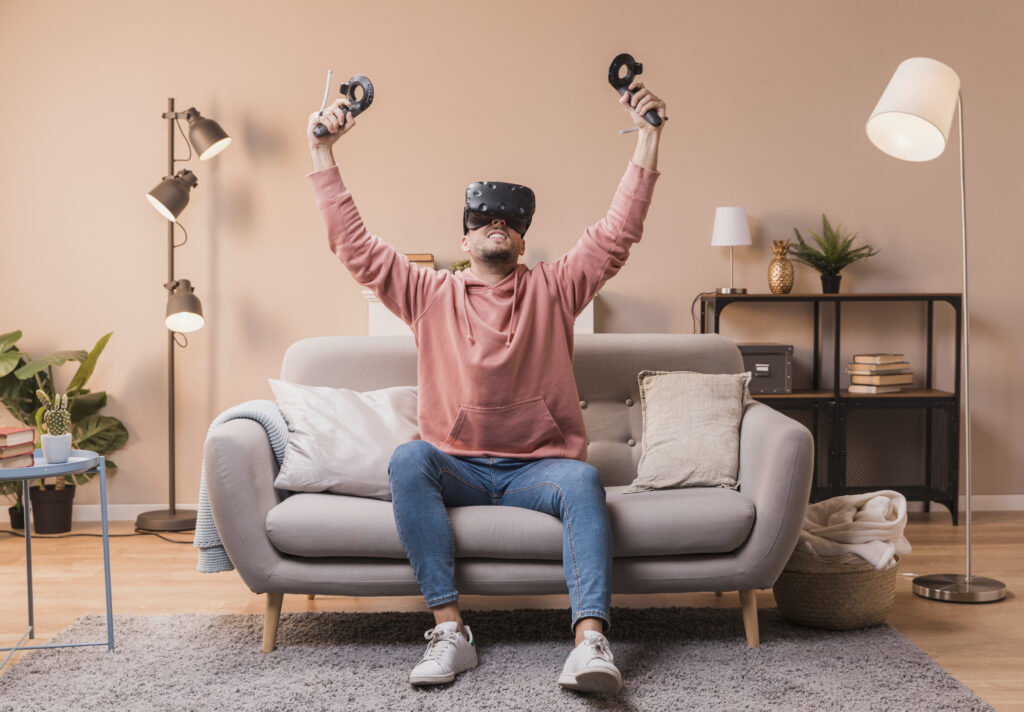
The gaming industry was the first to truly embrace VR. Headsets like the Oculus Rift, PlayStation VR, and HTC Vive brought gamers into immersive, 360-degree environments where they could not just play but live the game. This hands-on, interactive experience became the foundation for the broader potential of VR beyond entertainment.

2. VR in Education and Training
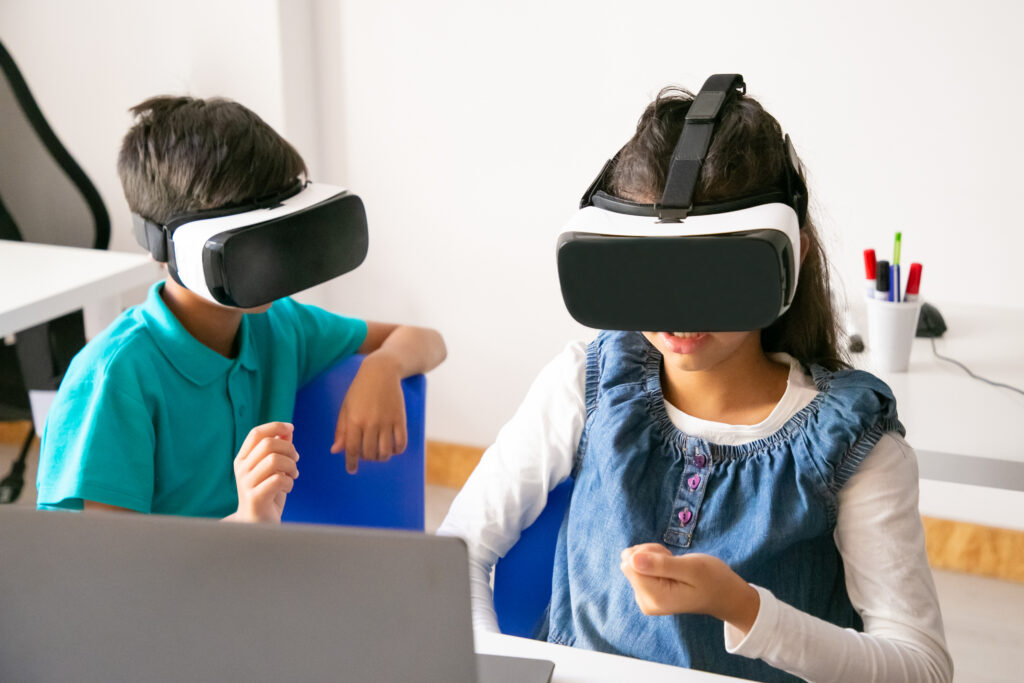
Education has become one of the most promising fields for VR adoption. Students can now explore ancient civilizations, perform virtual science experiments, or even learn complex medical procedures without risk. For example, medical schools use VR simulations to help students practice surgeries safely before entering real operating rooms.
3. VR in Healthcare
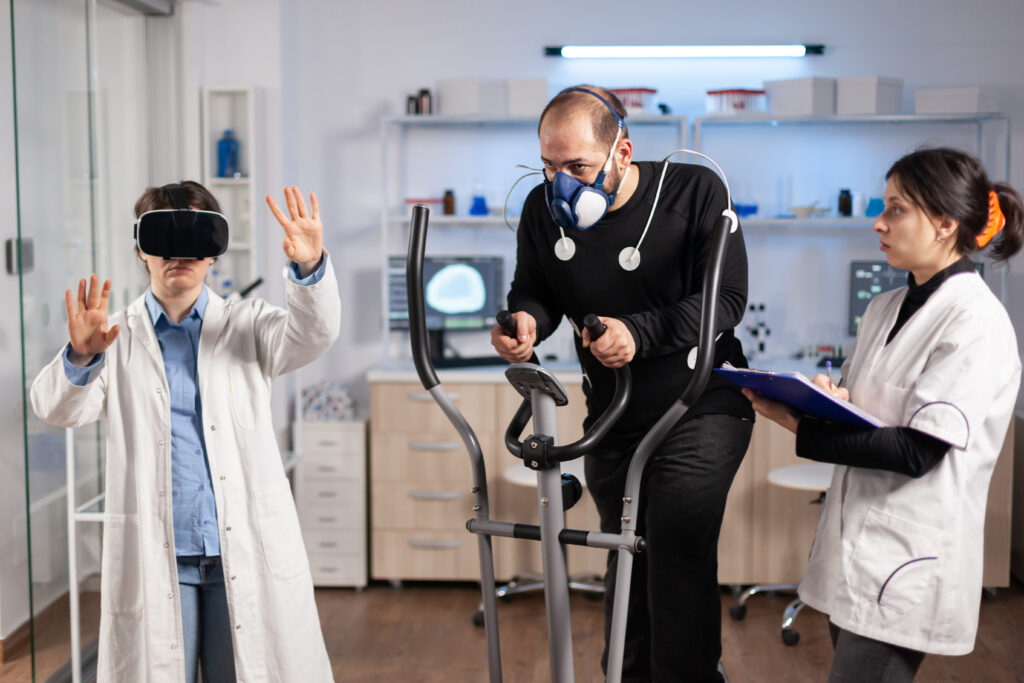
In healthcare, VR is transforming patient care and therapy. It is used for pain management, mental health treatments (like exposure therapy for anxiety and PTSD), and physical rehabilitation. By creating safe, controlled environments, VR helps patients overcome fears and recover faster.
4. VR in Real Estate and Architecture
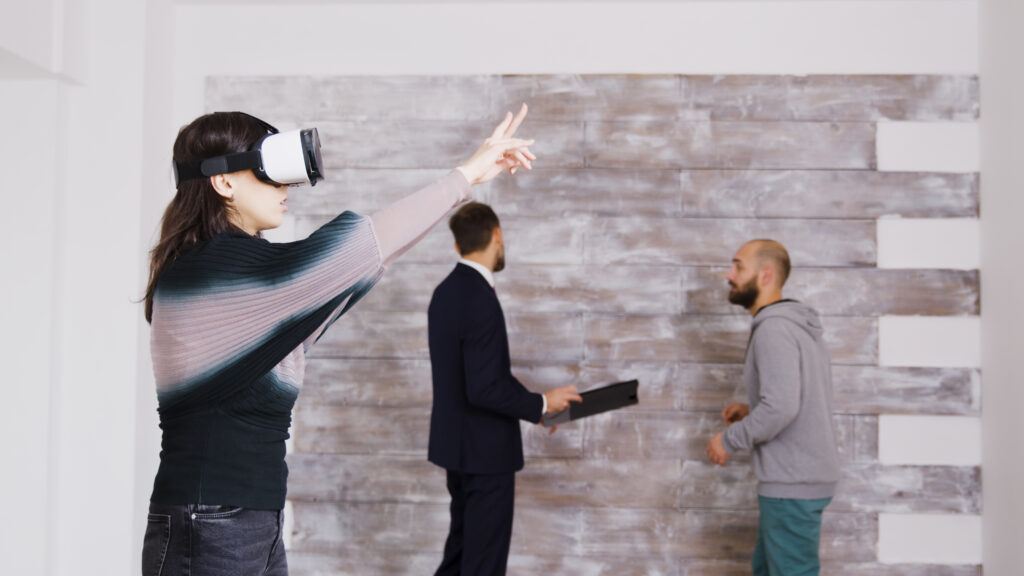
Virtual tours have revolutionized real estate. Buyers can “walk through” properties from anywhere in the world before making decisions. Architects and designers use VR to visualize projects in 3D, allowing clients to experience spaces before construction even begins.

5. VR in Corporate Training
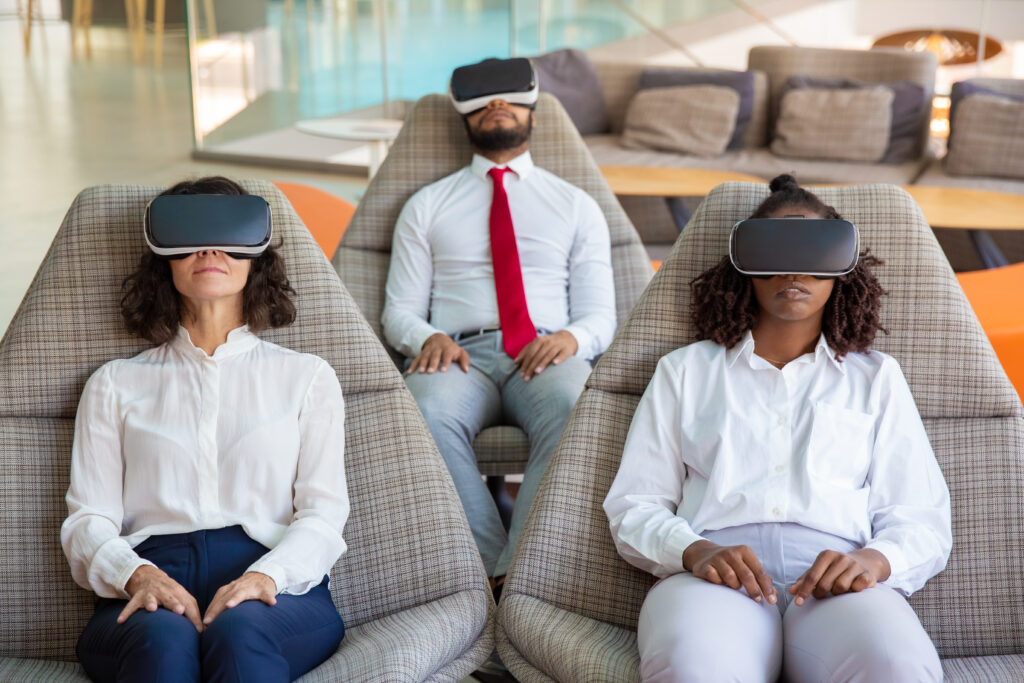
Companies are turning to VR for employee training. From handling machinery to customer service simulations, VR creates realistic scenarios that improve learning outcomes and reduce risk. It’s also cost-effective, as it eliminates the need for physical setups or travel.
6. VR in Tourism
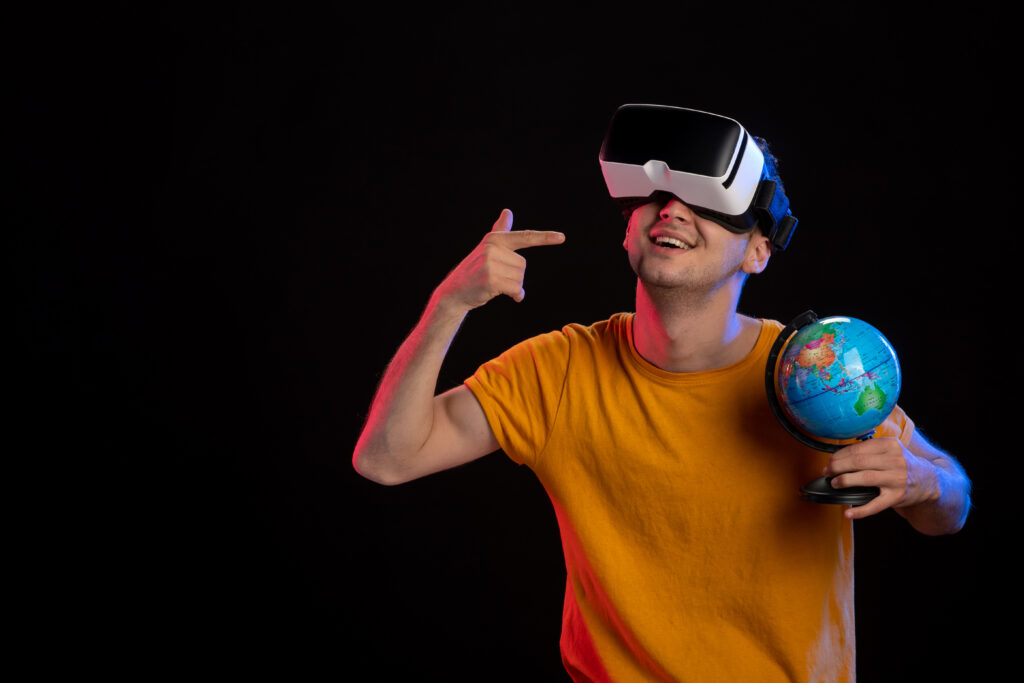
Virtual tourism allows users to explore destinations remotely. From walking through the streets of Paris to diving into the Great Barrier Reef, VR makes travel experiences accessible to everyone — including those who cannot travel due to cost, health, or distance.
Conclusion
What began as an innovation in gaming has now become a transformative force across industries. Virtual Reality is reshaping the way we learn, heal, design, and connect. As technology continues to evolve, VR will bridge the gap between the digital and physical worlds — opening doors to experiences once thought impossible.
Virtual Reality (VR) is a computer-generated simulation that immerses users in a three-dimensional environment. Using a VR headset, users can look around, move, and interact with digital surroundings as if they were physically present within them.
While VR began as a gaming innovation, it now has many real-world applications, including: healthcare, education, real estate, marketing, tourism etc.
VR is rising in popularity due to advancements in hardware, affordability, and accessibility.
VR works by combining visual, auditory, and motion-tracking technologies. The headset displays 3D visuals while sensors detect head and body movements. This synchronization creates the illusion of being inside a virtual world that reacts to real-time user actions.
VR is considered safe for general use, but extended sessions may cause mild discomfort, dizziness, or visual strain in some users. Regular breaks are recommended.