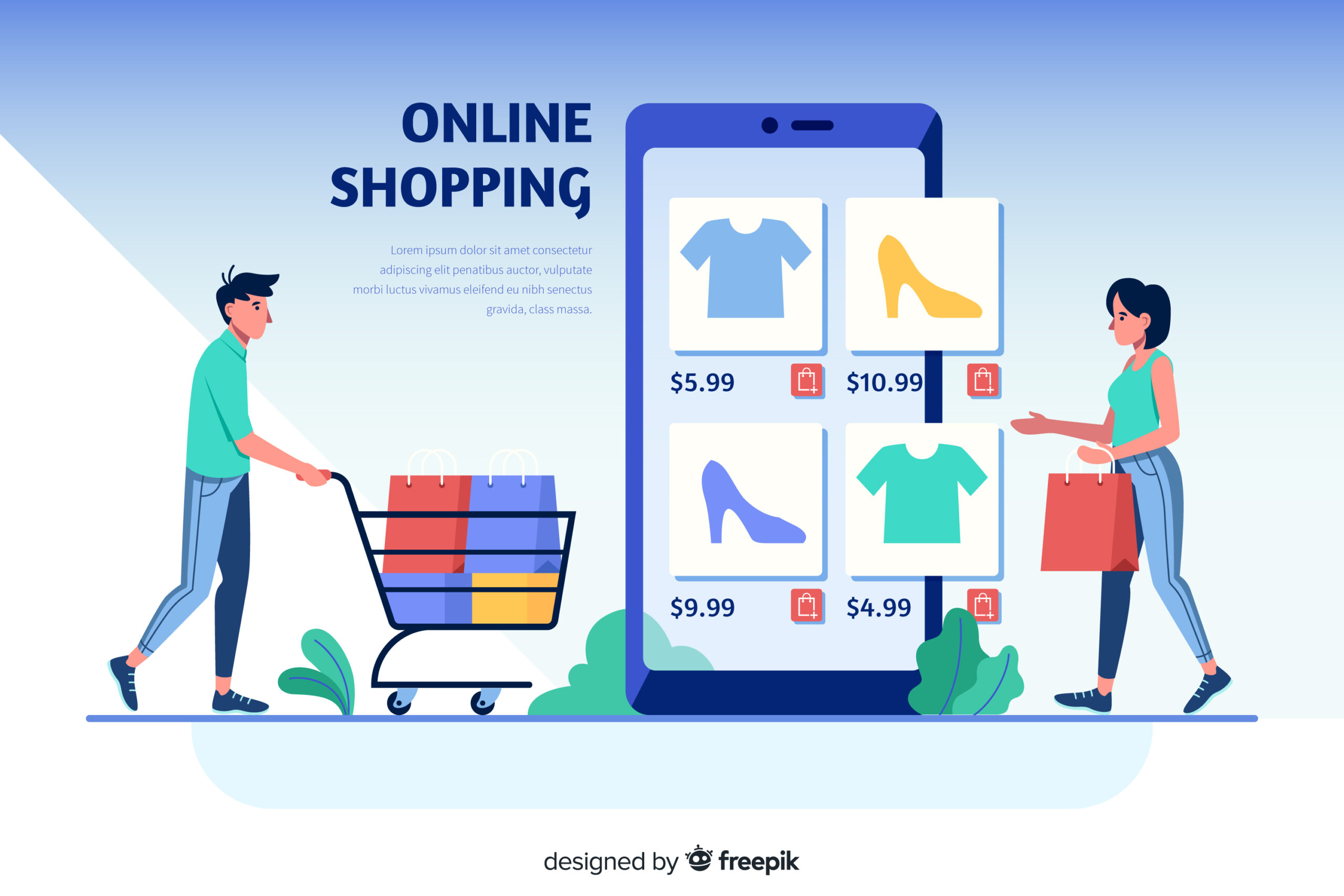




How e-commerce brands understand what you’re likely to buy next


Have you ever wondered how online stores seem to magically know what you want—sometimes even before you do? From recommending the perfect shoes to reminding you that you might be running low on groceries, today’s e-commerce platforms are becoming incredibly smart. But this isn’t magic—it’s data science, psychology, and technology working together.
Let’s break down how e-commerce predicts your next purchase.
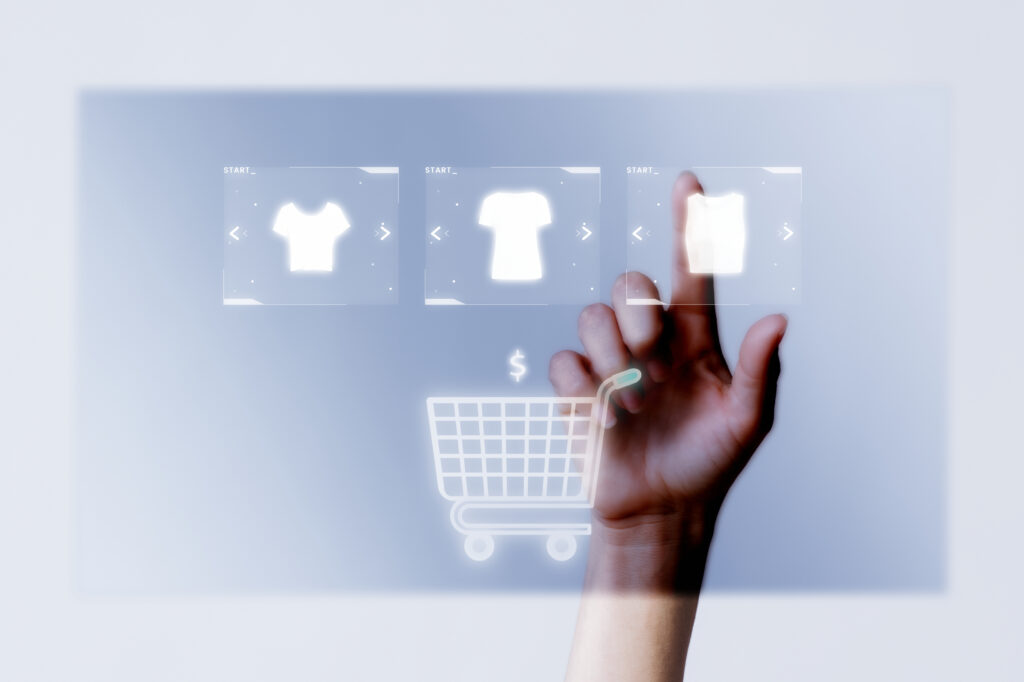
1. Your Browsing Behavior Tells a Story
Every click, search, scroll, and pause reveals something about you.
E-commerce platforms track things like:
- What products you view
- How much time you spend on each page
- Which items you add to cart
- What you revisit repeatedly
This digital “body language” helps algorithms understand what you are likely to buy soon.
2. Purchase History = Future Predictions
Your past orders are one of the strongest signals.
If you bought:
- Protein powder → you may need a refill in 30 days
- Baby diapers → you will likely purchase again soon
- Seasonal products → reminders come around the same time every year
- Grocery items-> that you may need to fill in 30 days
Patterns repeat—and e-commerce systems use them to show you relevant items at the right moment.
3. People Similar to You Influence Recommendations
This is called collaborative filtering.
If hundreds of shoppers who bought the same shoes as you also purchased a specific bag, the system assumes you may like that bag too.
It’s like getting suggestions from thousands of strangers who share your shopping taste.
4. AI Understands What You Might Want Next
Modern e-commerce uses AI and machine learning to identify deeper patterns, such as:
- Styles you prefer
- Price ranges you choose
- Brands you trust
- Colors or sizes you consistently select
AI even predicts your future needs—not just current interest.
5. Cart Abandonment = Reminder Triggers
If you leave something in your cart and walk away, the system knows.
It may send you:
- A gentle reminder
- A price-drop alert
- A discount coupon
- A back-in-stock notification
These personalized nudges significantly increase the chances of purchase.
6. Social Media Behavior Plays a Role
If you interact with fashion posts on Instagram or search for gadgets on Google, you’ll likely see similar products on e-commerce sites.
This is because platforms share anonymized data to create a more personalized shopping experience.
7. Subscription & Auto-Refill Predictions
For products you buy regularly—like skincare, supplements, or pet food—systems estimate when you’ll run out. They then offer:
- Auto-refill options
- “Order again” shortcuts
- Personalized reorder reminders
Convenience for you = consistent sales for them.
8. Seasonal & Trend Forecasting
As trends shift, AI analyzes millions of data points to predict what might be popular next.
This helps online stores push relevant, trending products that match your taste.
The Goal: A Shopping Experience That Feels Personal
E-commerce prediction isn’t about invading privacy—it’s about making your experience:
✔ Faster
✔ Easier
✔ More relevant
✔ More enjoyable
Behind every suggestion is a blend of data, technology, and psychology that aims to deliver the right product at the right time.